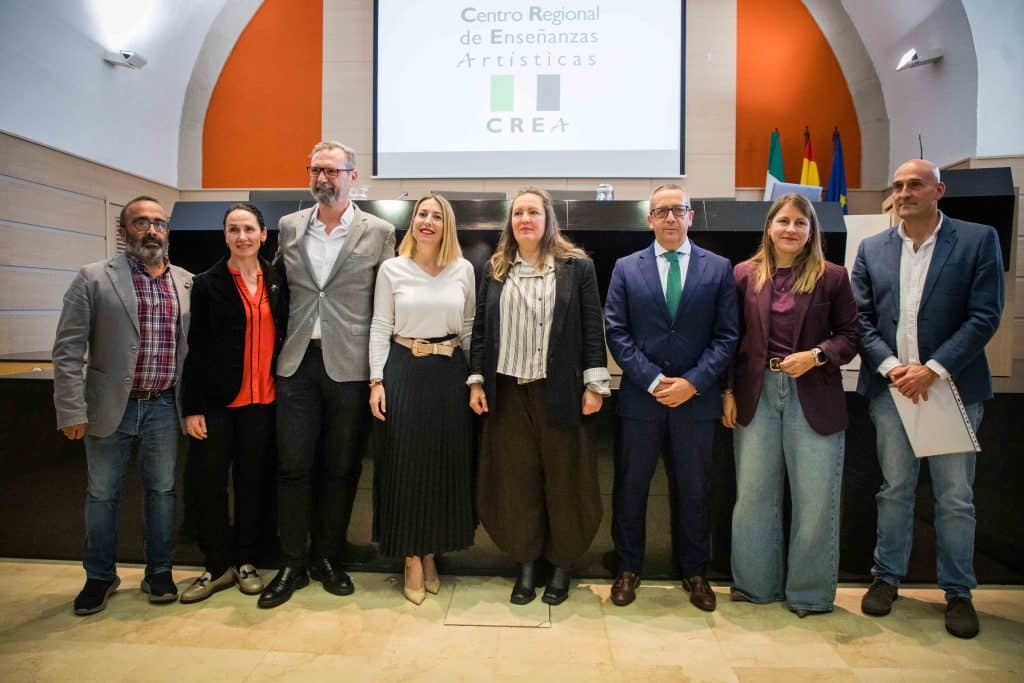
The president of the Regional Government of Extremadura, María Guardiola, presented this Wednesday the rehabilitation project of the old Hospital Nuestra Señora de la Montaña in Cáceres, an action promoted by the Regional Government of Extremadura with an investment of 32.6 million euros that will allow this space to be converted into the future Regional Center for Artistic Education (CREA), a training complex dedicated to music, dance and dramatic arts.
Guardiola argued that “investing in culture is not a symbolic gesture, it is a declaration of principles,” emphasizing that education “cannot be a privilege reserved only for people with resources or those who live in major cities.”
The project will house the Higher School of Dramatic Art of Extremadura (ESAD), the Official Conservatory of Music ‘Hermanos Berzosa’ and the Professional Conservatory of Dance ‘Sagrario Ruiz-Piñero’ in a single space, becoming the first infrastructure of its kind in Extremadura and one of the few existing in Spain.
Culture as the driving force of the city
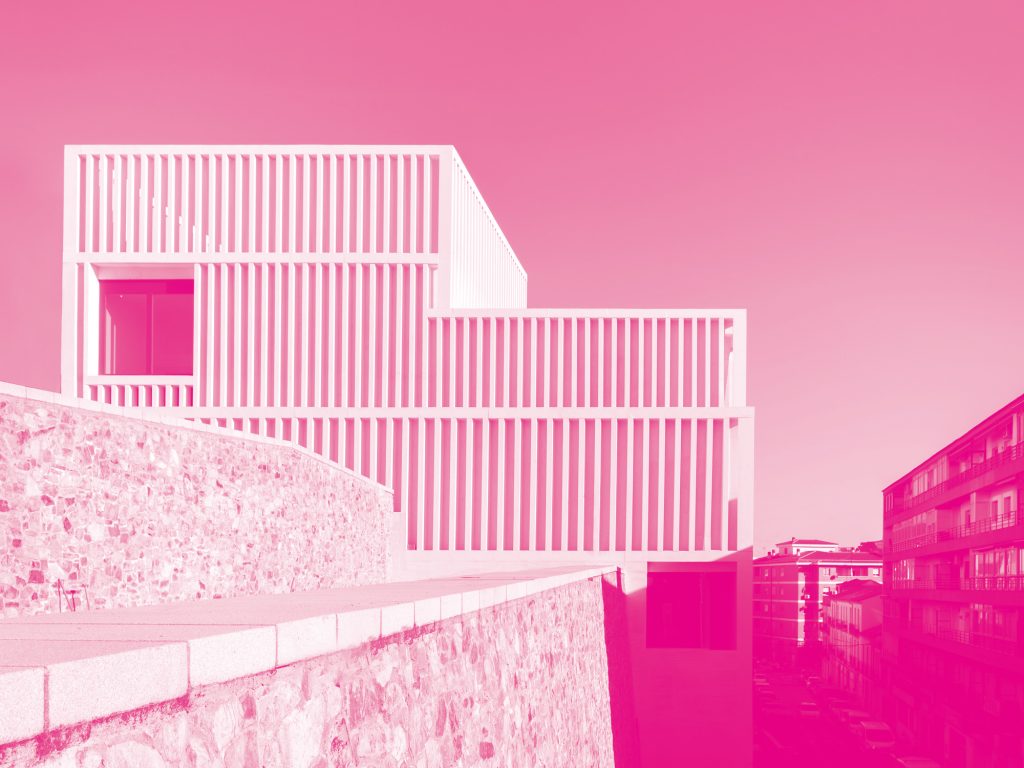
The project involves the complete renovation of the old hospital, which opened in 1982, and its transformation into a performing arts training complex that will combine heritage conservation, modernization, and new cultural spaces.
The project anticipates a total investment of €32.6 million and an estimated commissioning date of 2031. “This is no ordinary date for this city. Cáceres is one of the four finalists to be a European Capital of Culture,” added the president of Extremadura during her speech.
María Guardiola emphasized that this project represents “the milestone this city has been dreaming of for a very long time” and assured that the future arts complex will be “a cultural engine and a boost to the talent of a wonderful city, a World Heritage Site.”
“Cáceres is reclaiming part of its city center to give it back to its residents as a vibrant space, full of young people, music, and activity,” the president stated, adding that “culture, both physically and symbolically, must be at the heart of cities. And that is a priority for the Government of the Junta de Extremadura.”
Institutional collaboration
Guardiola praised the collaboration between administrations as one of the strengths of the project and of Cáceres’ bid to become European Capital of Culture 2031. She recalled that the European Committee of Experts “highlighted the unity of the institutions” supporting the bid, which includes the Cáceres City Council, the Cáceres Provincial Council, the Badajoz Provincial Council, and the Regional Government of Extremadura. “We work together, quietly, and focused on a common project.”
The president also emphasized that this project is an example of institutional cooperation, since the Regional Government is promoting the investment, the Provincial Council of Cáceres is providing the building, and the City Council will facilitate the urban planning process.
“Everyone does their part, but the result will be enjoyed by all the people of Cáceres and all of Extremadura,” she stated.
María Guardiola also highlighted the symbolic value of the rehabilitation: “those walls of the old provincial hospital were dedicated to caring for lives and, from its rehabilitation, they will now care for vocations.”