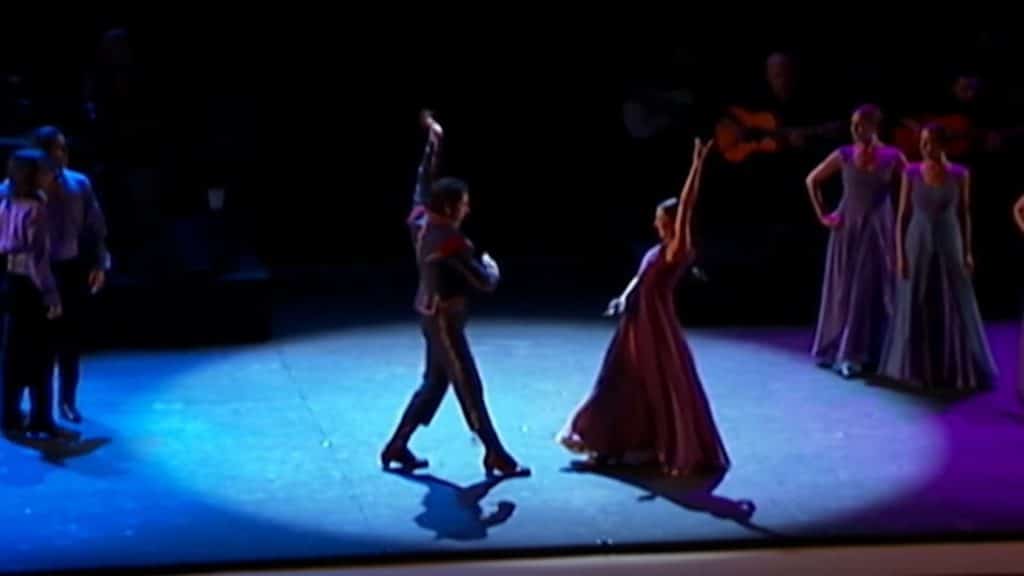
- Flamenco singer Salomé Pavón is promoting an initiative that brings together artists from all over Extremadura to support Cáceres’ bid to become European Capital of Culture 2031
- Fuensanta Blanco, Tamara Alegre, Josué Suárez, Miriam Cantero and Rosa Escobar López, among others, join this show of collective support that claims flamenco as an essential part of the Extremaduran cultural identity
Flamenco from Extremadura has come together to show its support for Cáceres’ candidacy for European Capital of Culture 2031. On the occasion of World Flamenco Day, which is commemorated every November 16, singer Salomé Pavón has promoted an initiative that brings together artists from different parts of the region to support the cultural project of Cáceres 2031 and claim the role of flamenco as one of the great expressions of Extremadura’s cultural heritage.
Artists such as Fuensanta Blanco, Tamara Alegre, Josué Suárez, Miriam Cantero and Rosa Escobar López, among others, have joined this initiative, representing the talent and richness of a discipline deeply rooted in Extremadura and which also constitutes a universal artistic language, capable of connecting cultures and generations.
The support of the flamenco sector highlights the involvement of the cultural fabric of the entire region in a candidacy that transcends the limits of the city and that aspires to project Extremaduran talent in Europe. An example of how culture, from its most traditional expressions to new forms of creation, can become a space for encounter and cooperation.
The initiative coincides with the commemoration of World Flamenco Day, which commemorates its inclusion in UNESCO’s Representative List of the Intangible Cultural Heritage of Humanity in 2010. A date that highlights the importance of preserving and transmitting this artistic legacy, especially in territories such as Extremadura, where flamenco has its own identity and an outstanding tradition.
For Cáceres 2031, this support reinforces the collective nature of a candidacy built from the participation of cultural agents and the involvement of the whole of Extremadura. Under the concept of Transcultura, the project aims to connect the cultural roots of the territory with new opportunities for creation and European exchange, making culture a shared path to the future.