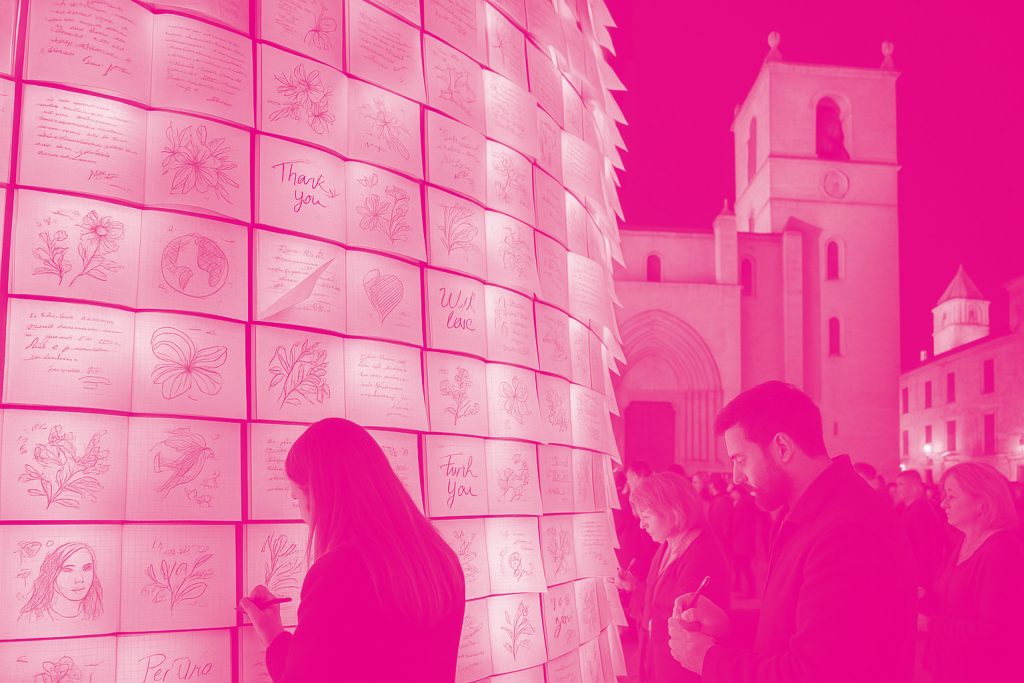
About CÁCERES 2031
Cáceres 2031 is a consortium formed by the Regional Government of Extremadura, the provincial councils of Cáceres and Badajoz, and the Cáceres City Council, with the aim of the city achieving the European Capital of Culture title.
Regional, provincial, and local institutions, organizations, and civil society are involved in a bid that aims to demonstrate how culture drives territorial development, social cohesion, and innovation.
Dialogue
A sustainable culture that unites heritage, creativity, and ecology, in line with the 2030 Sustainable Development Goals and the European Green Deal.
Heritage
To unite towns and cities in a common ecosystem. Through our project, culture serves to help overcome situations that have existed for a long time. Cáceres 2031 understands that urban-rural dialogue is essential to building a sustainable future.
Events
Well-being and accessibility, with care, inclusion, and accessibility at the heart of cultural life.
What is an ECoC?
The European Capital of Culture is an annual celebration where heritage and creativity come together to build Europe’s future.
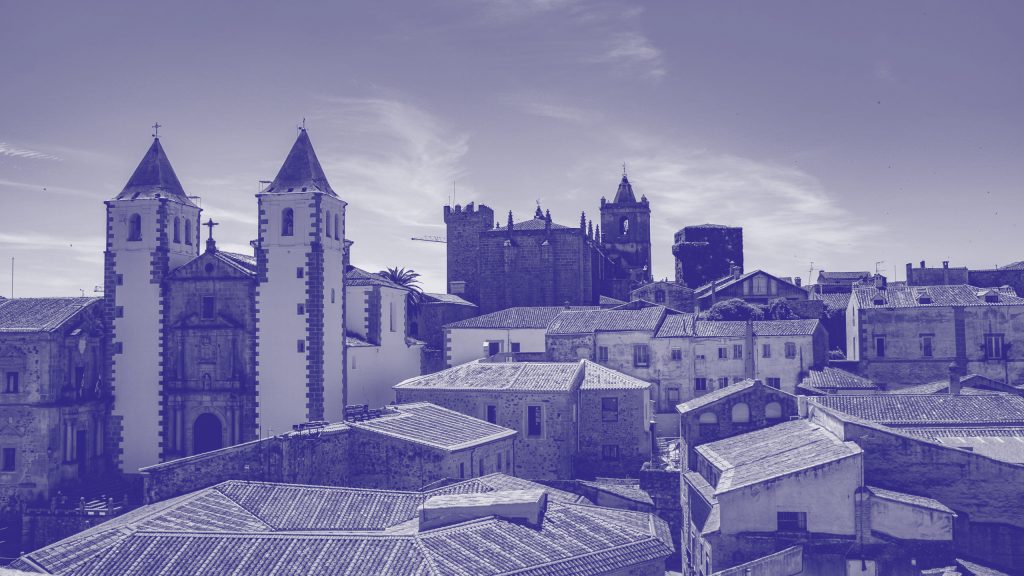
What is the European Capital of Culture (ECoC)?
The European Capital of Culture is one of the most prestigious cultural initiatives of the European Union. Each year, the selected cities have the opportunity to showcase the richness and diversity of European cultures, while strengthening ties among citizens across the continent. Through an annual program of cultural events and projects, an ECoC highlights the city’s unique identity, fosters intercultural dialogue, and consolidates the shared values that unite Europe.
Why is it important?
Being designated European Capital of Culture goes beyond hosting events. It is a transformative project that drives urban development and promotes long-term social, cultural, and economic growth. An ECoC invites both residents and visitors to participate in a vibrant cultural journey, promoting innovation, inclusion, and sustainability. For the chosen city, it is not only a celebration of its heritage and creativity, but also a lasting investment in its future.
How and when are ECoCs chosen?
European Capitals of Culture are selected through a competition organized by the EU. Cities present their cultural programs years in advance, highlighting their local identity and European values. The winning cities are announced four years before their designation.
Why is our city submitting its bid?
Our candidacy is born from the conviction that culture is a transformative tool for the present and future of the city and the entire region.
Cáceres 2031 is based on three strategic pillars that reflect both our identity and our vision of Europe:
- Urban-rural dialogue: because we are a territory that unites the local and the global, the rural and the urban, creating a space for encounter and understanding that enriches our cultural life.
- Sustainable culture: because we believe in a model that integrates artistic creation with respect for the environment, green innovation, and the principles of the European Green Deal.
- Culture of well-being and accessibility: because we understand culture as a right, an inclusive sphere that encourages the participation of all citizens, promotes care, and embraces digitalization in service of people.
With this candidacy, we aspire to become a European benchmark for how culture can drive sustainable development, social cohesion, and improved quality of life.
What does it mean to be an ECoC?
Being European Capital of Culture means being at the center of European attention. It means becoming a showcase for the continent’s cultural and social diversity, attracting the attention of citizens and visitors from across Europe. It also means a significant increase in those who come to discover, share, and experience cultural activities. And, above all, it represents the opportunity to offer throughout an entire year—from January 1 to December 31—a varied and high-quality cultural program, designed to attract a global audience and promote the values that define Europe.
But being an ECoC goes much further. It represents a unique opportunity to transform the territory in a lasting way, generating a legacy that transcends the designation year itself. A process conceived with and for the citizens, because the active participation of residents is the key to its success.
Transculture
Sustainable Culture
Cáceres 2031 is a model of climate and cultural management, promoting projects that integrate culture and sustainability. It particularly promotes artistic interventions in natural spaces and environmental education initiatives, taking into account aspects such as the circular economy, sustainable cultural mobility, and the European Green Deal.
Culture of Well-being
Cáceres 2031 promotes accessibility, care, and digitalization. It involves integrating the arts into the well-being of different sectors of the population, from older adults to young people, encouraging citizen participation in cultural life and interaction among these groups. Additionally, we will have various creative spaces for digital experimentation, with artificial intelligence and data analysis in cultural management as key elements.