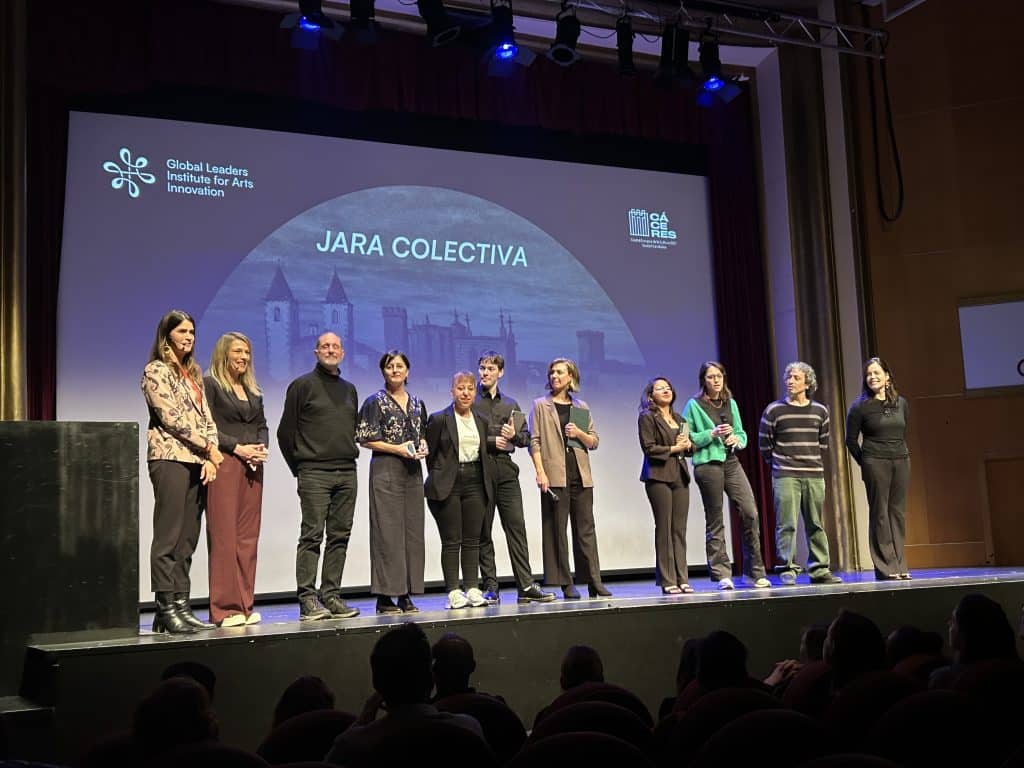
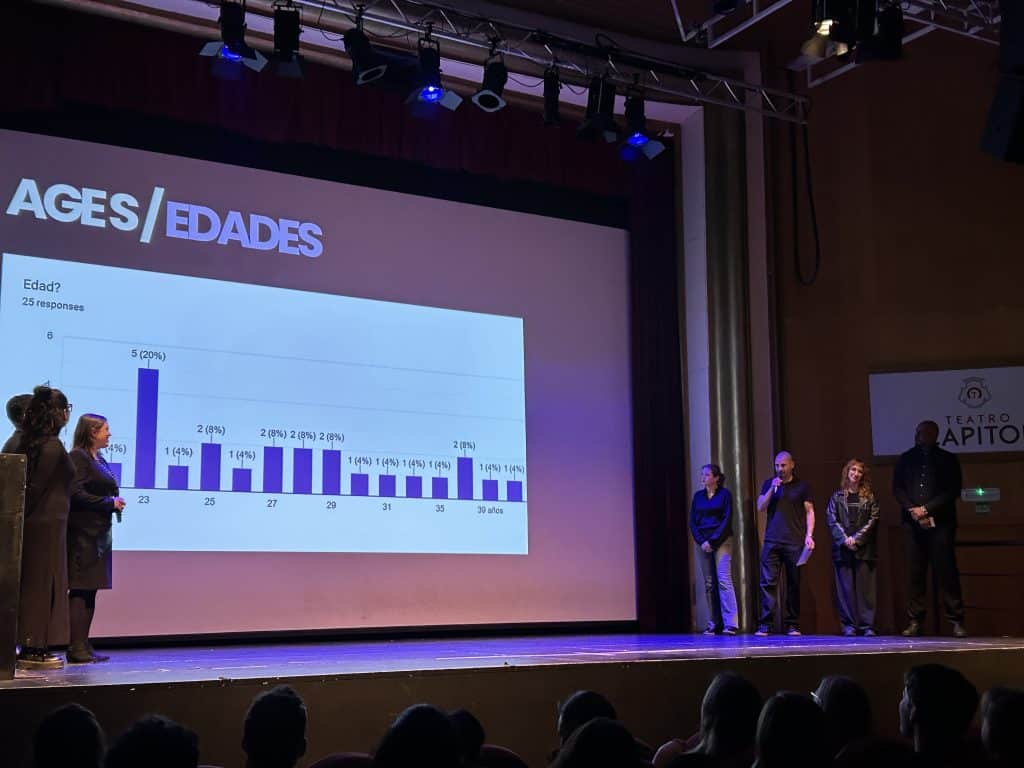
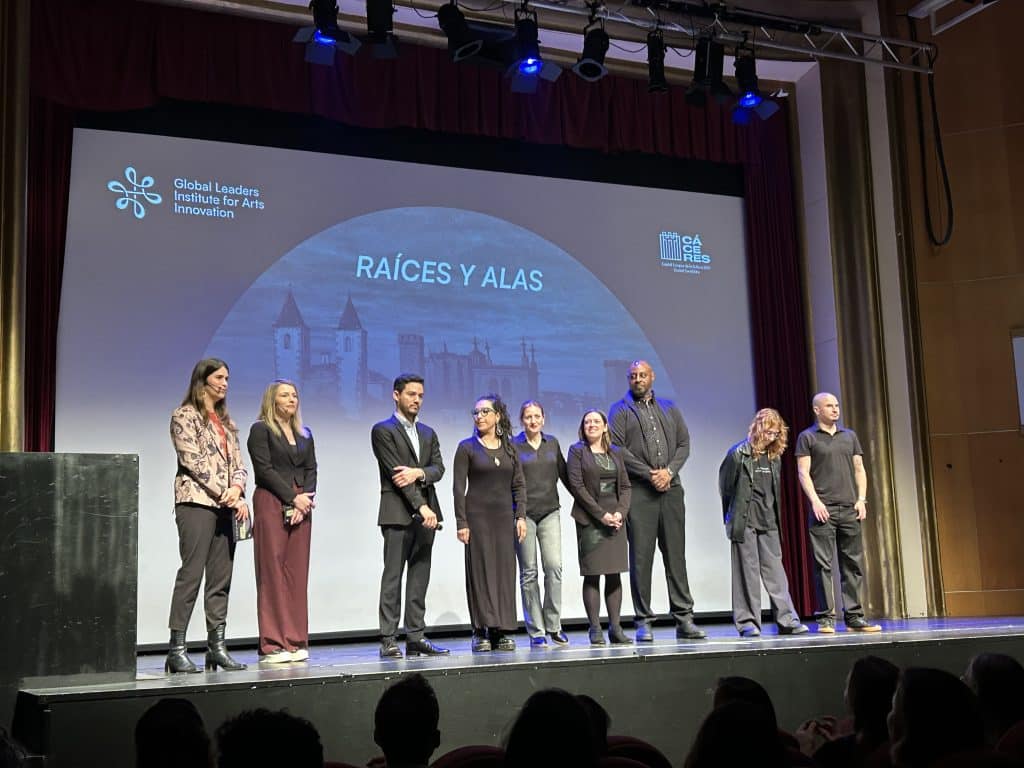
- The event served as the closing of a collaborative process in which five multidisciplinary teams developed strategies based on innovative thinking and case study analysis
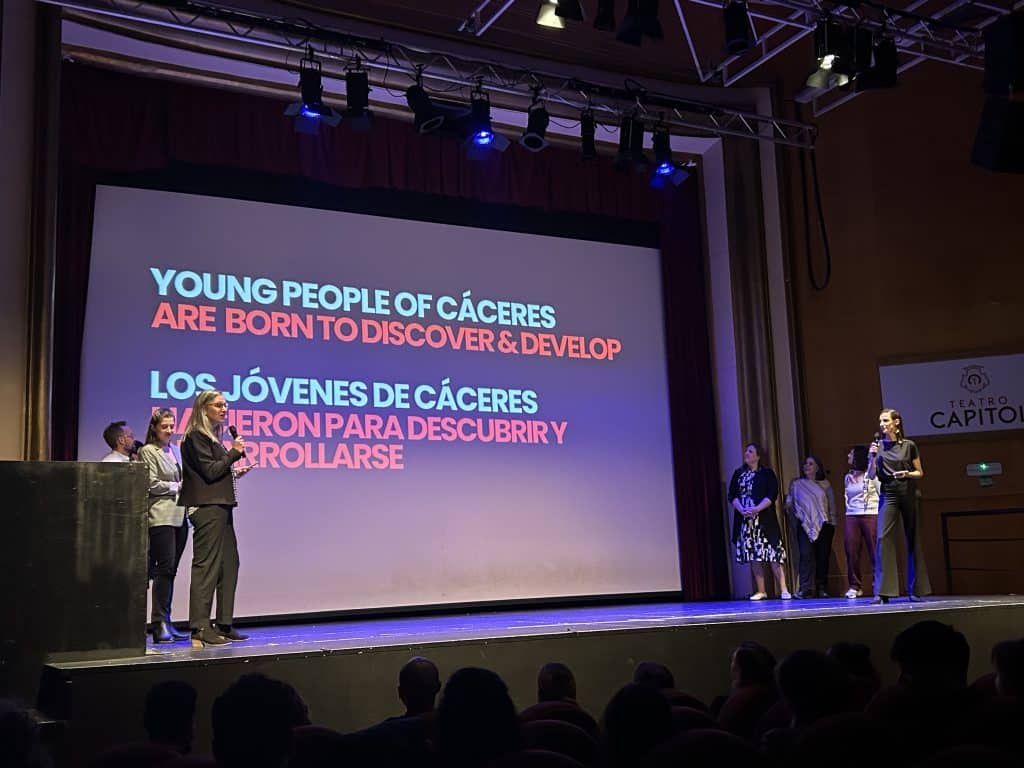
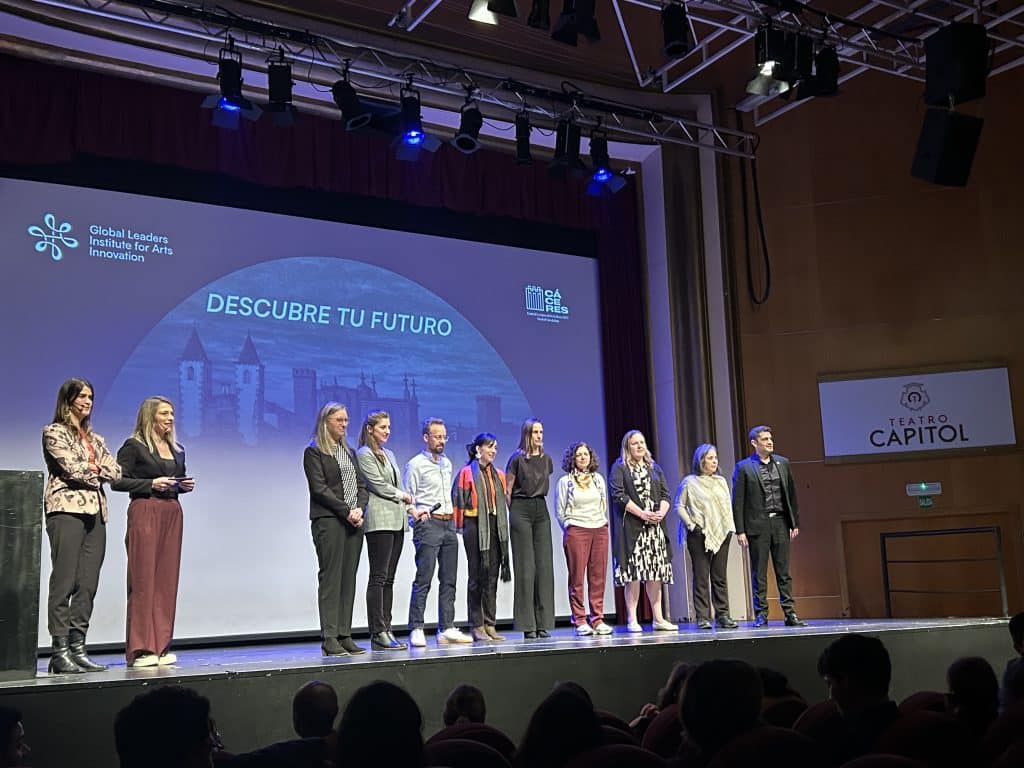
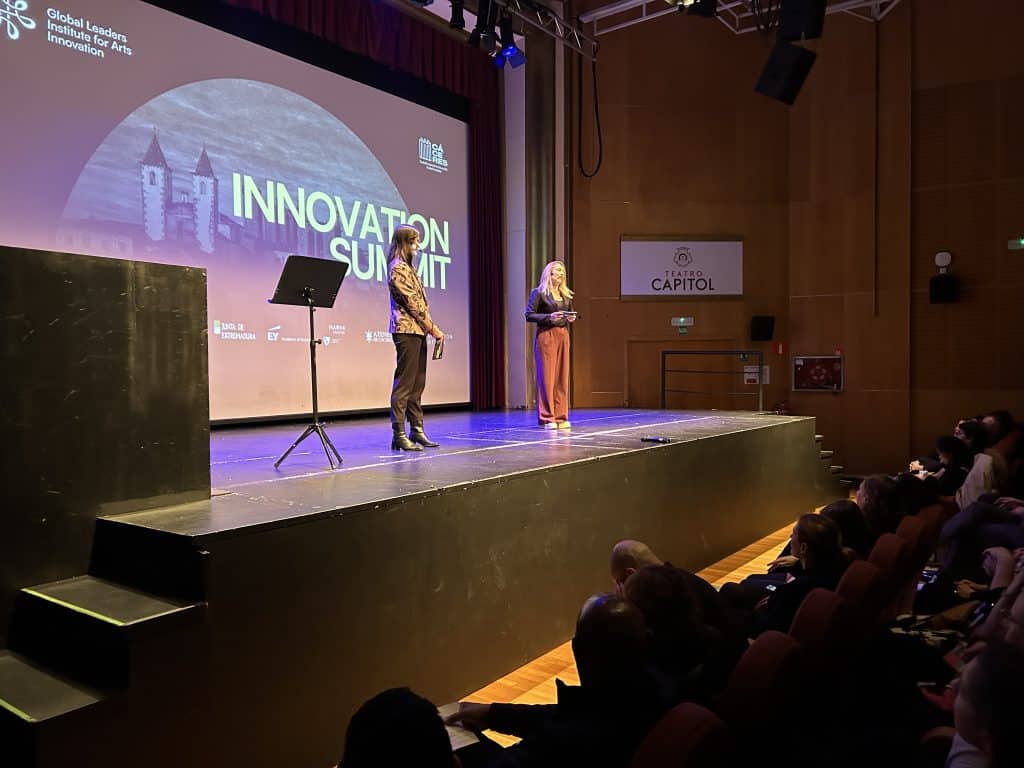
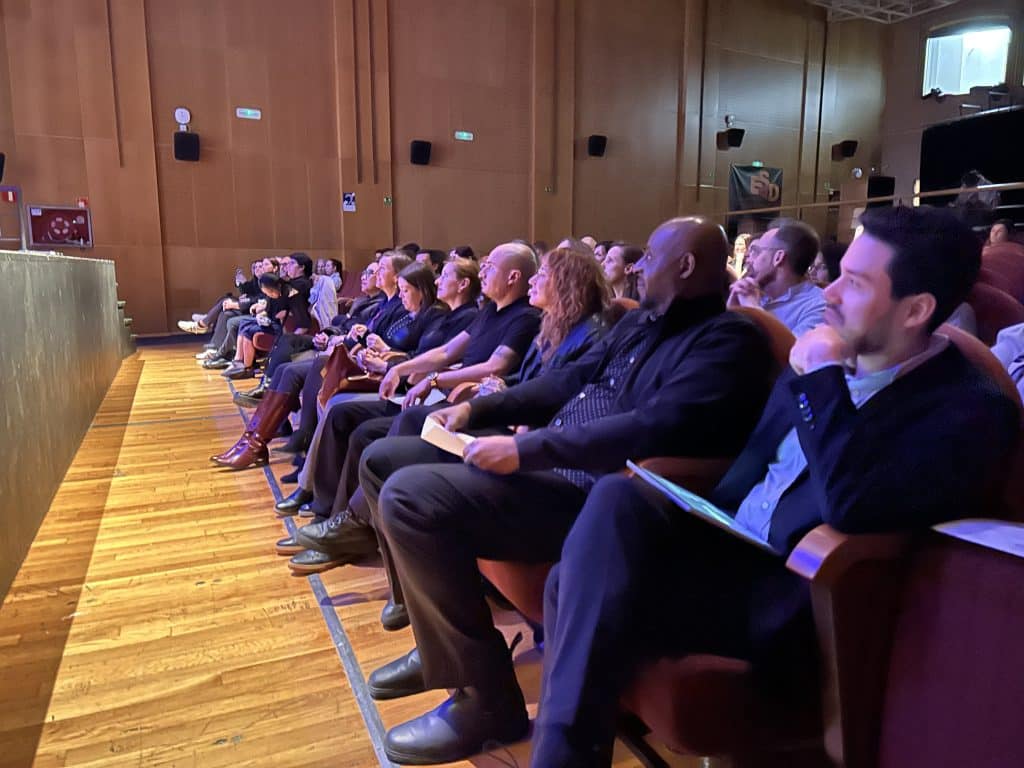
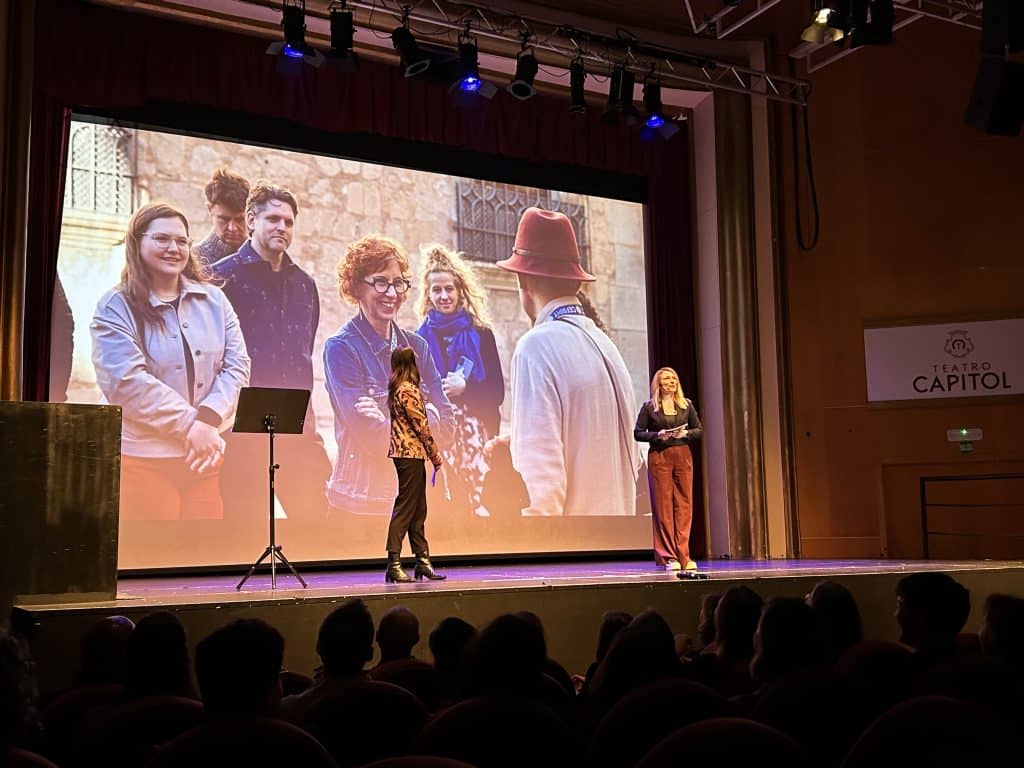
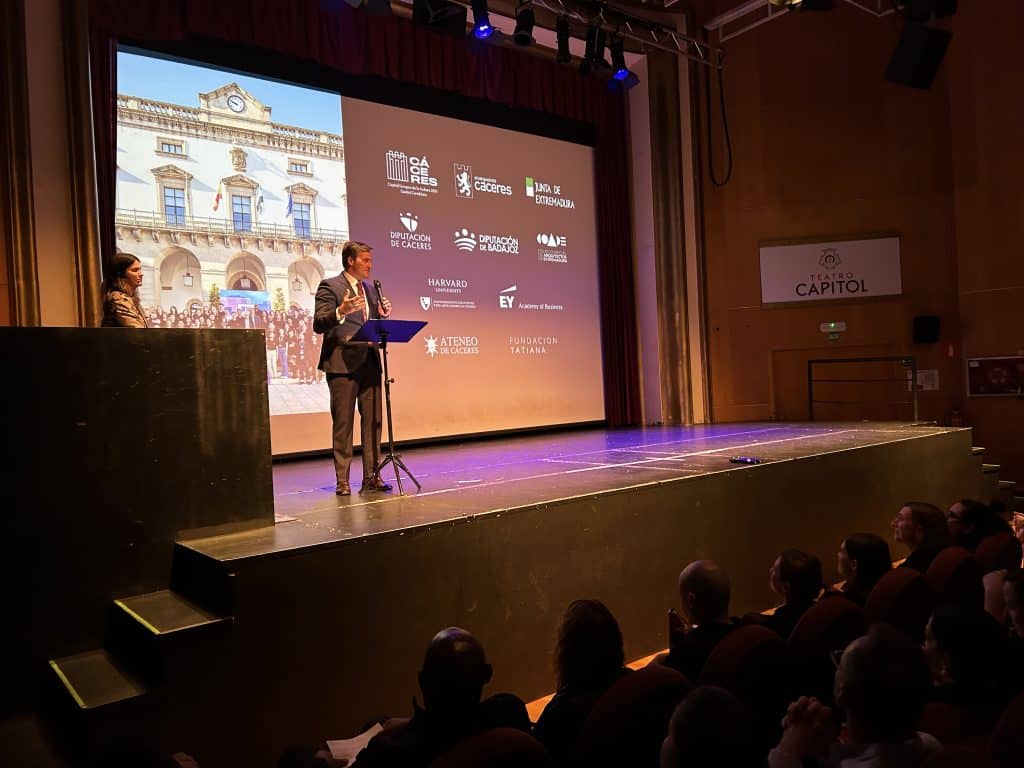
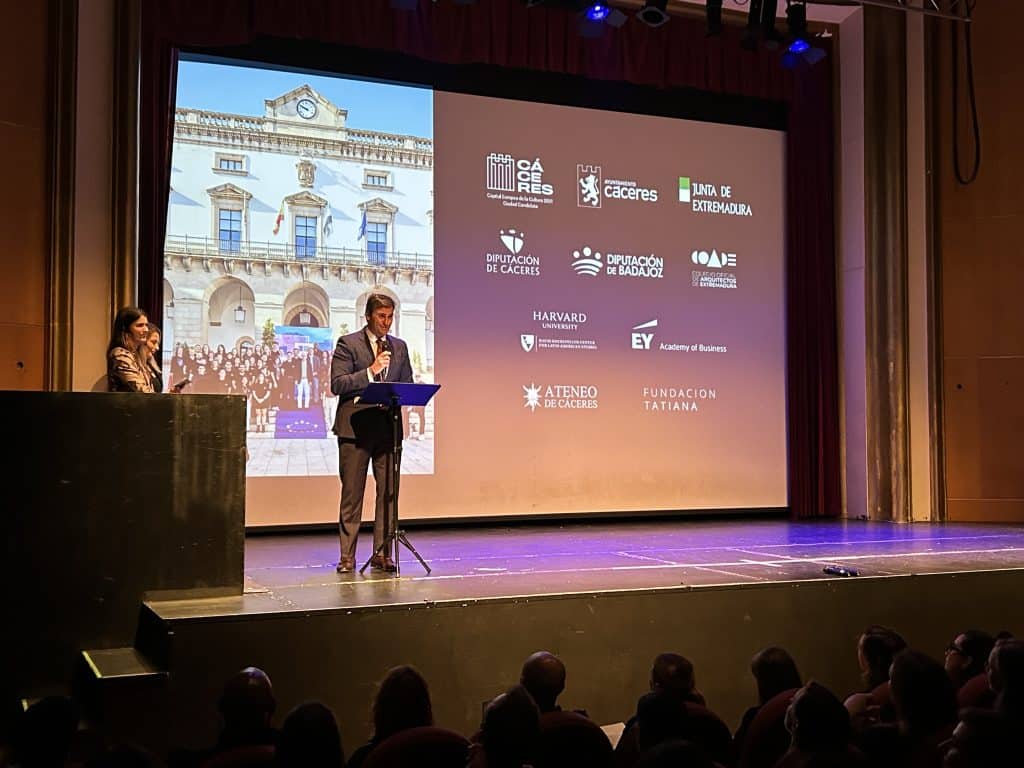
The Capitol Theatre in Cáceres hosted the final gala of the GLI Cáceres Summit this Friday, an international gathering within the framework of the Cáceres 2031 candidacy that throughout the week brought together participants from different countries to work on innovative proposals aimed at attracting and retaining young talent in the city.
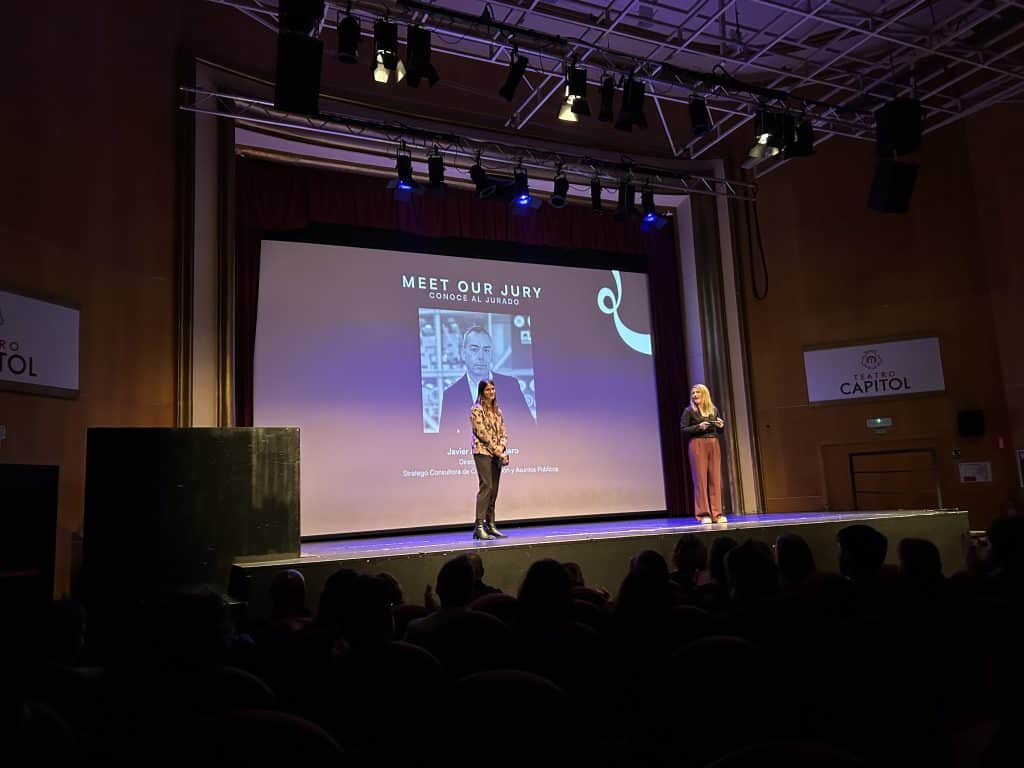
The event, presented by Natalia Jiménez and Malgorzata (Gosia) Kuczmowska, served as the closing of a collaborative process in which five multidisciplinary teams developed strategies based on innovative thinking and case study analysis.
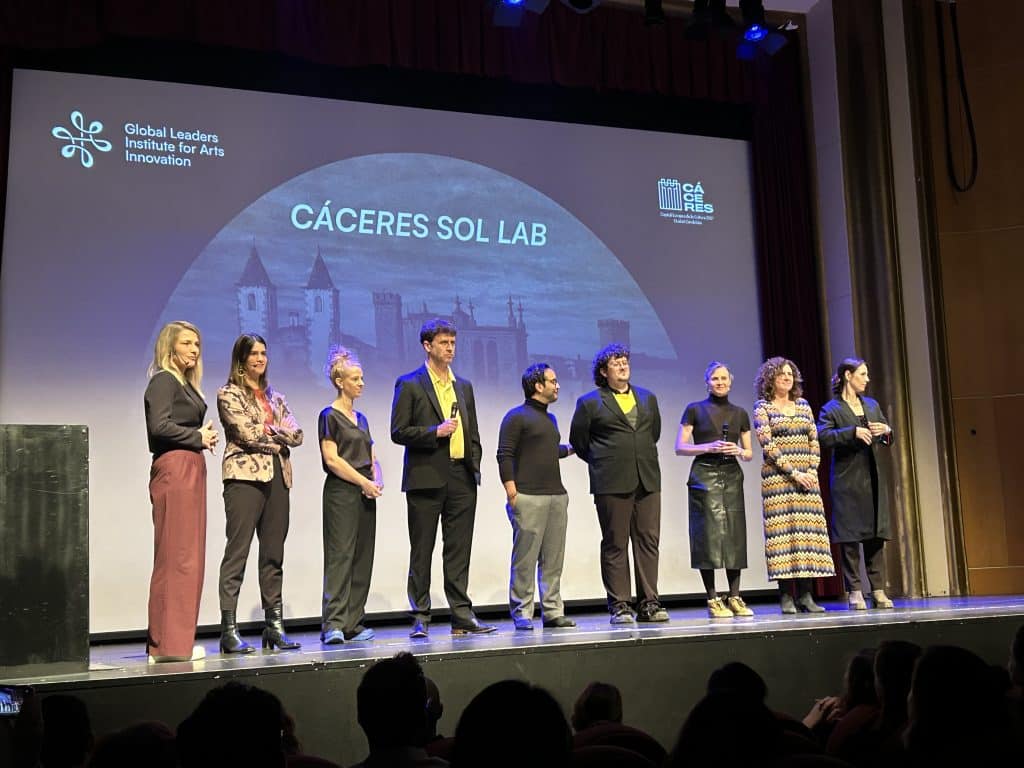
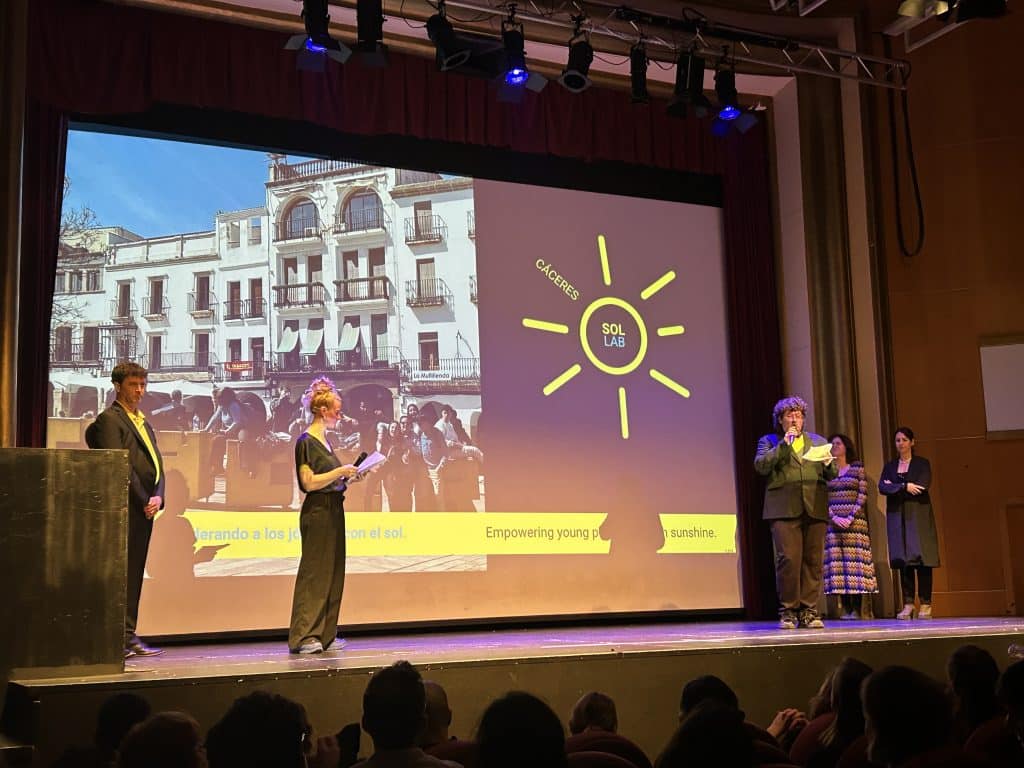
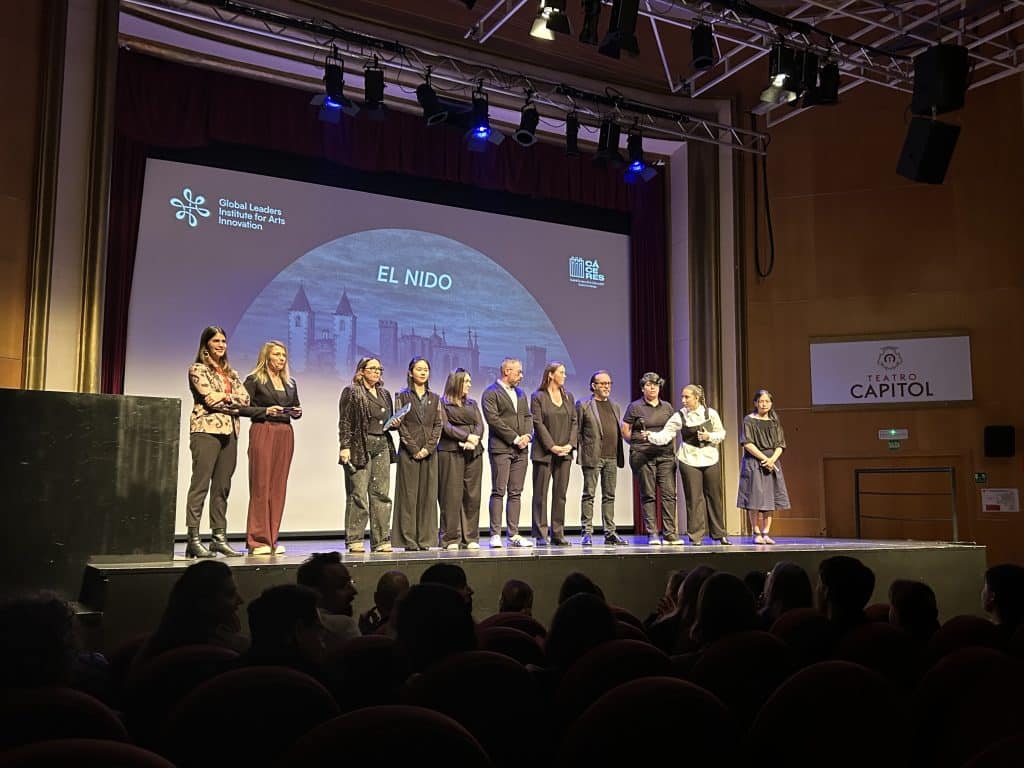
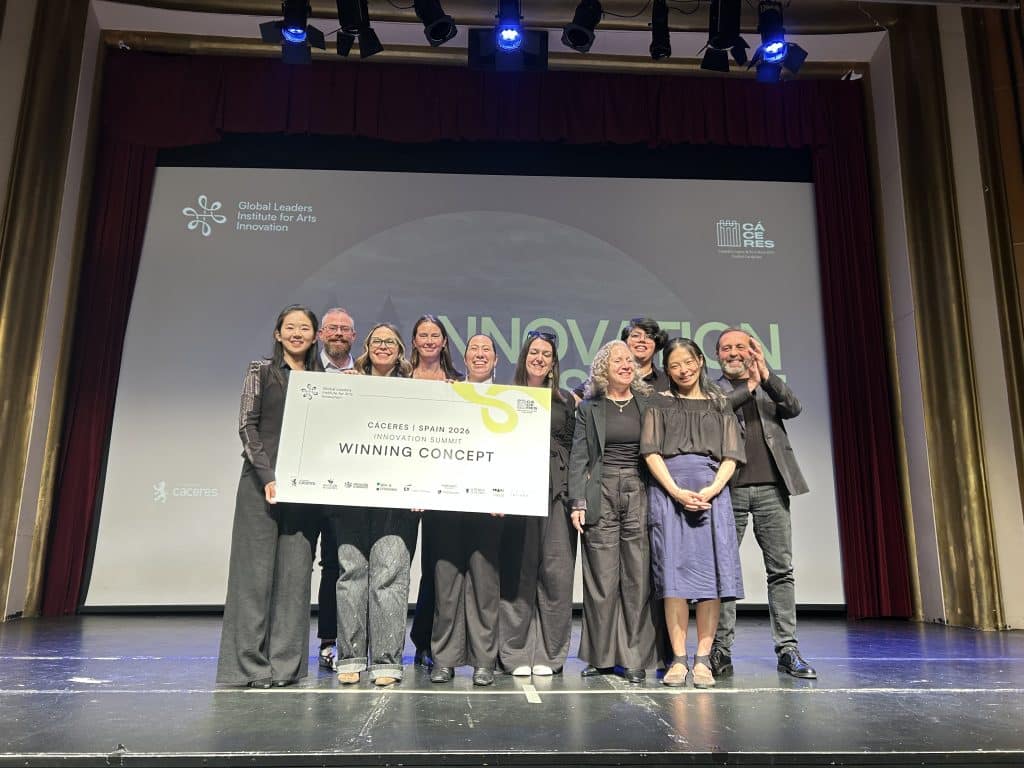
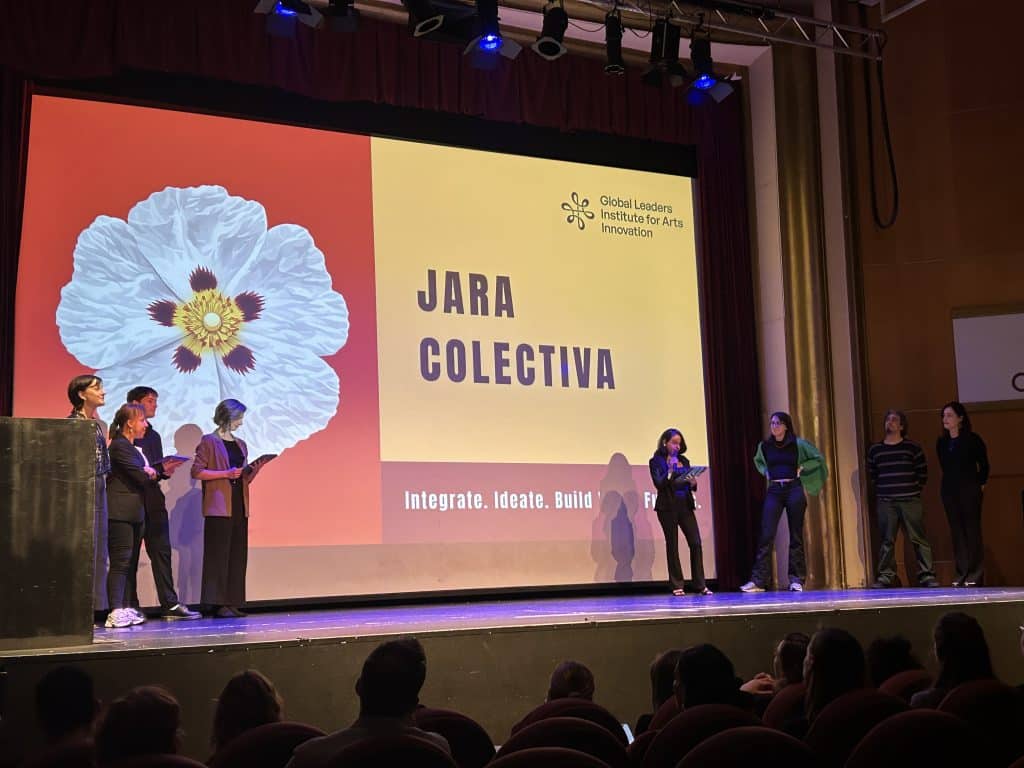
The projects were “Jara Collective”, “Discover Your Future”, “The Nest / El Nido”, “Roots and Wings”, and “Cáceres Sol Lab”. All of them have addressed, from different perspectives, the role that culture and creativity can play in tackling contemporary challenges and creating opportunities for young people in the area. The winning proposal, “TheNest / El Nido”, was selected through a combined voting system in which both the jury and the public took part, each with a weighting of 50%.
Winning Project
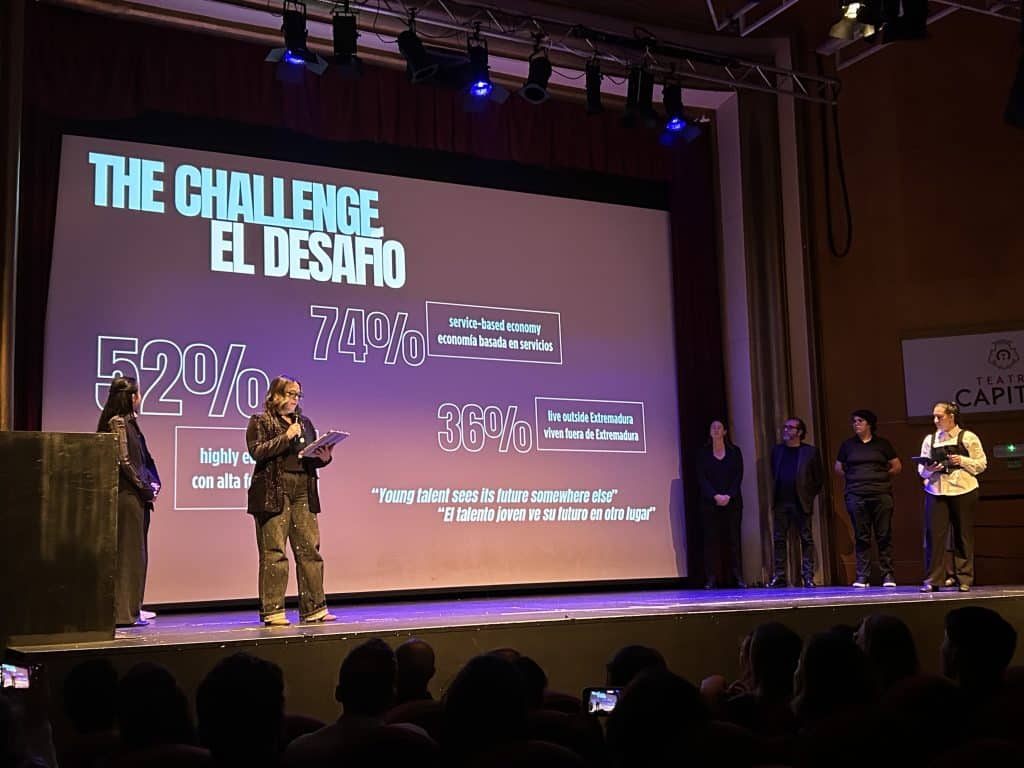
“The Nest / El Nido” focuses its approach on one of the main structural problems identified in Cáceres: the disconnect between existing opportunities and young people’s knowledge about them. Despite the fact that the city has resources, programs, and entrepreneurship support, more than half of young people are unaware of their existence, which contributes to talent drain. In response to this reality, the proposal suggests creating a free digital platform that centralizes and makes visible local opportunities—employment, funding, events, business support, or community stories—in a single accessible, attractive, and easy-to-use space. Furthermore, the project is conceived as a recognizable local brand, capable of generating identity, belonging, and connection with the city, supported by young ambassadors, community partnerships, and communication actions that transform scattered information into a cohesive and inspiring ecosystem. Its expected impact includes increasing youth participation, boosting entrepreneurship, and reducing talent drain, positioning Cáceres as an environment of opportunities and an emerging reference for innovation.
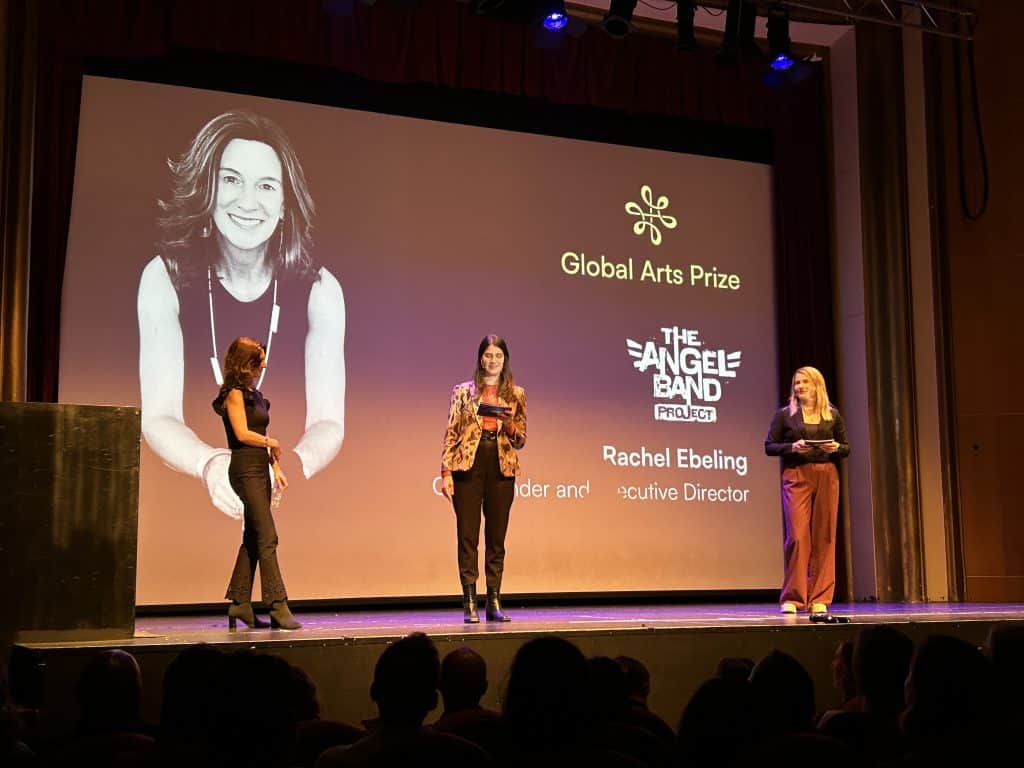
The jury responsible for the evaluation was composed of Iris Jugo, coordinator of the Cáceres 2031 Consortium; Rachel Ebeling, co-founder and executive director of The Angel Band Project; Javier Álvarez, member of the Cáceres 2031 Communications team; and Alessandra Sbrisci, project manager of the Reggio Emilia Theatre Foundation. The evaluation criteria took into account aspects such as cost-benefit ratio, degree of innovation, feasibility, budget, and overall performance of each proposal.
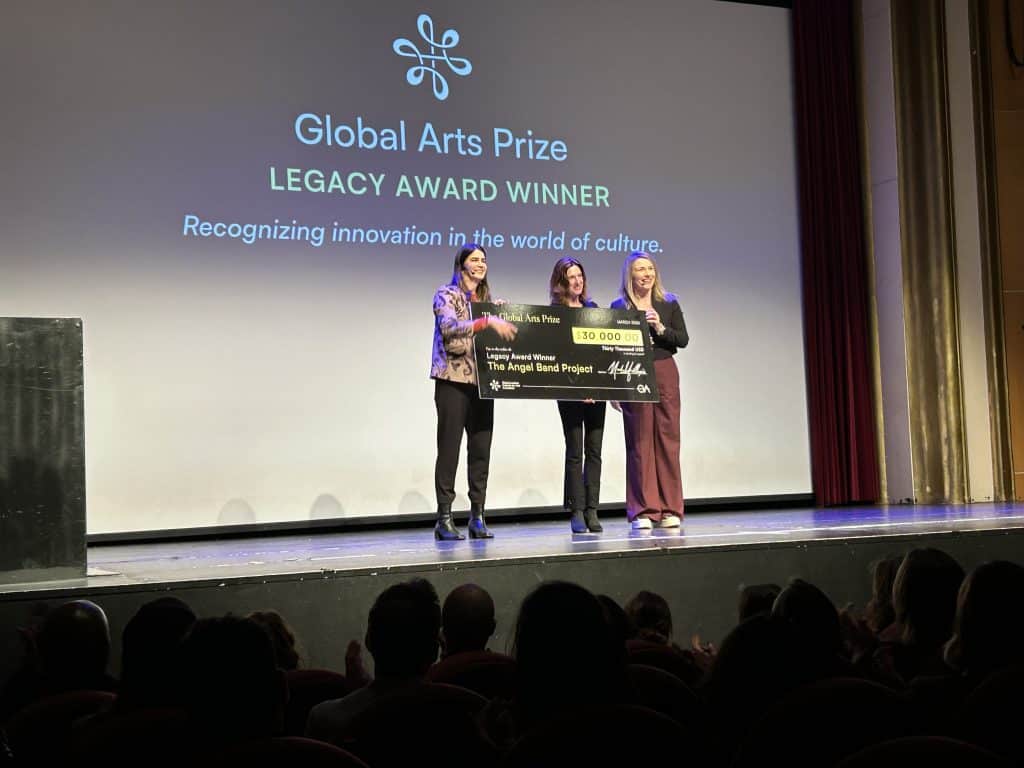
During the gala, the fundamental role of the arts as a tool for addressing the challenges of our time was also highlighted. In this context, Rachel Ebeling shared the experience of “The Angel Band Project”, an initiative that uses music as therapy to support victims of gender-based violence and sexual violence, demonstrating the transformative potential of culture.
For his part, Jorge Suárez, Culture Councillor of the Cáceres City Council, highlighted the commitment of “people and institutions to building a better future through culture and collaboration”, emphasizing that “culture is a transformative engine that places people at the center” and that “there will be no sustainable solutions without culture”. Along the same lines, he stated that “the future does not wait, the future is designed, and today we begin to design it here together”.
The final gala of the GLI Summit thus concludes a week of intensive work in which the five teams developed proposals that, from different approaches, share the same vision: to activate the potential of Cáceres through culture, innovation, and youth participation, consolidating the city as a space for experimentation and design of solutions for the challenges of the present and the future.