- The forum has showcased experiences in cultural cooperation and European funding programs, while also establishing connections with initiatives that share the territorial vision of Cáceres 2031
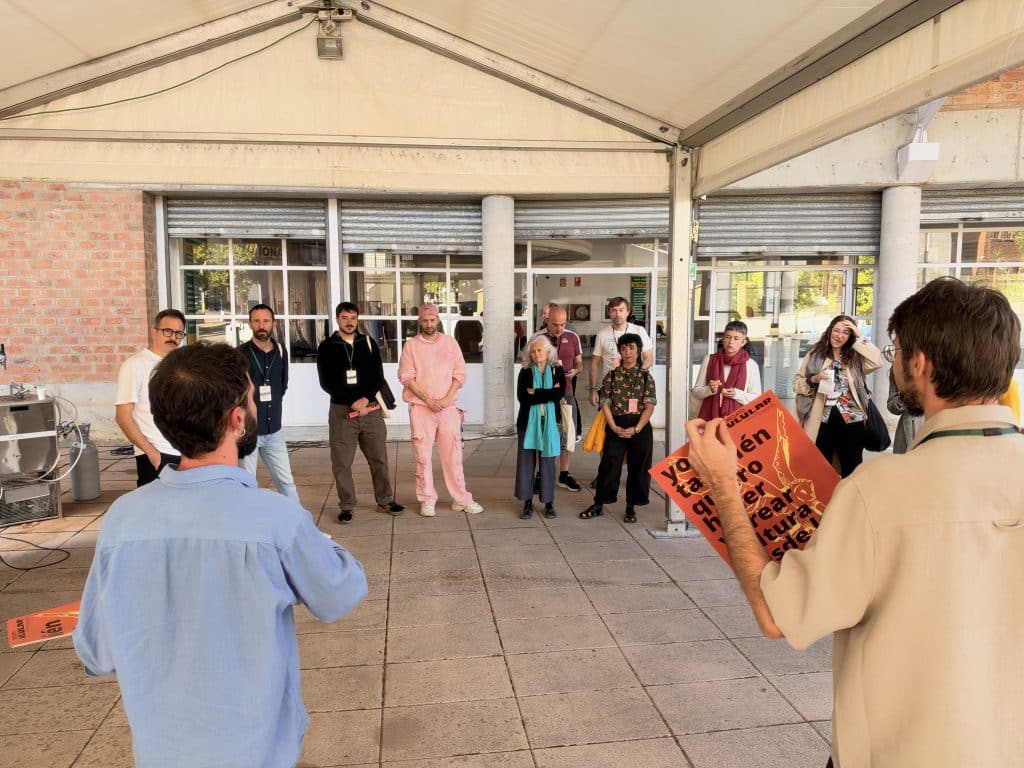
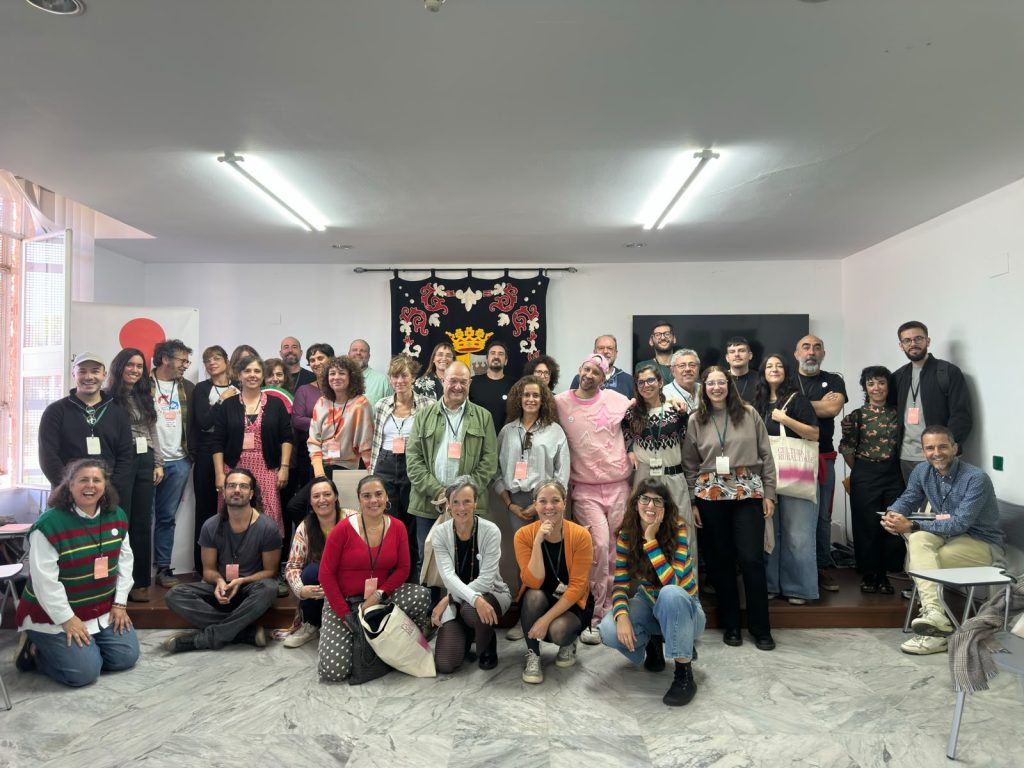
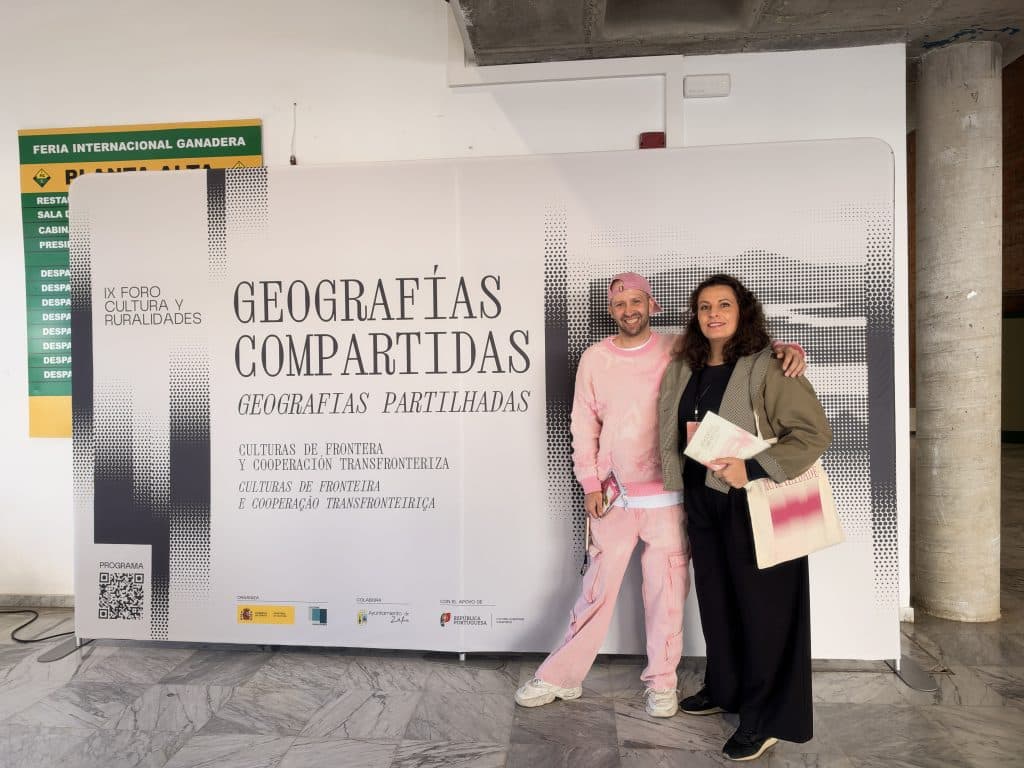
Cáceres’ bid for European Capital of Culture 2031 has participated this week in the 9th Culture and Ruralities Forum, held from October 20 to 22 in Zafra, a space for meeting and exchanging experiences on the role of culture in rural areas and opportunities for cooperation between territories.
Laura Gª Cáceres, from the Cáceres 2031 programming team, and Julio Cepeda, a member of the Cultural Activation Office, attended this forum to learn about projects that are transforming the cultural landscape of small municipalities, share experiences, and explore new possibilities for collaboration with cultural stakeholders from various regions.
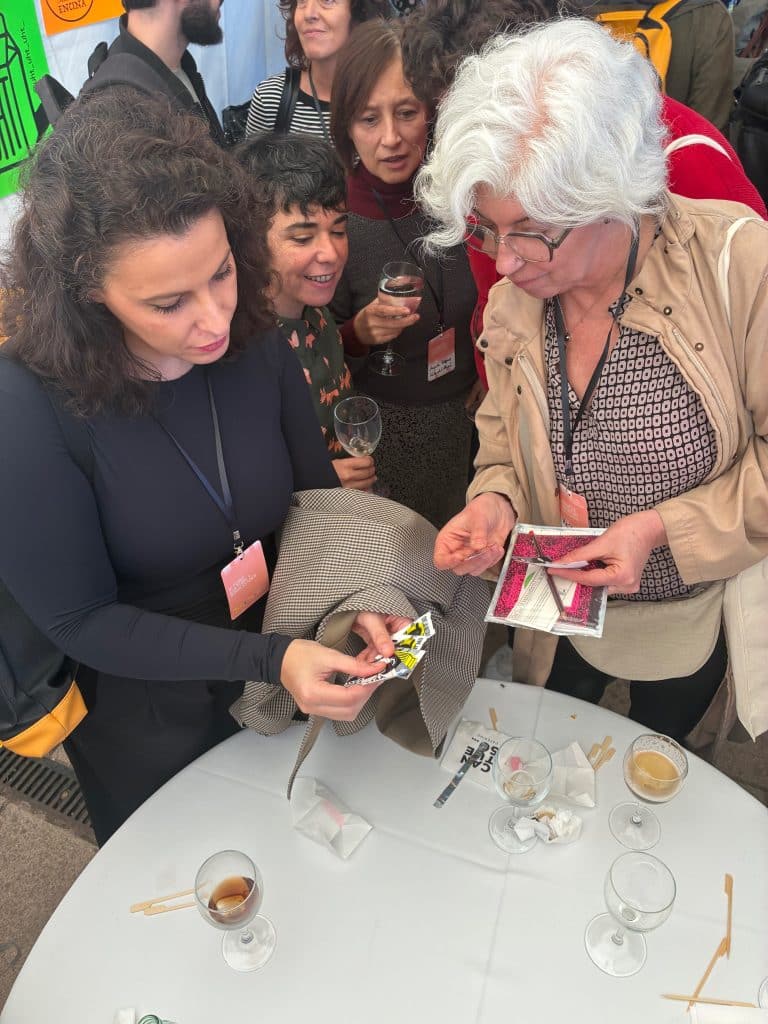
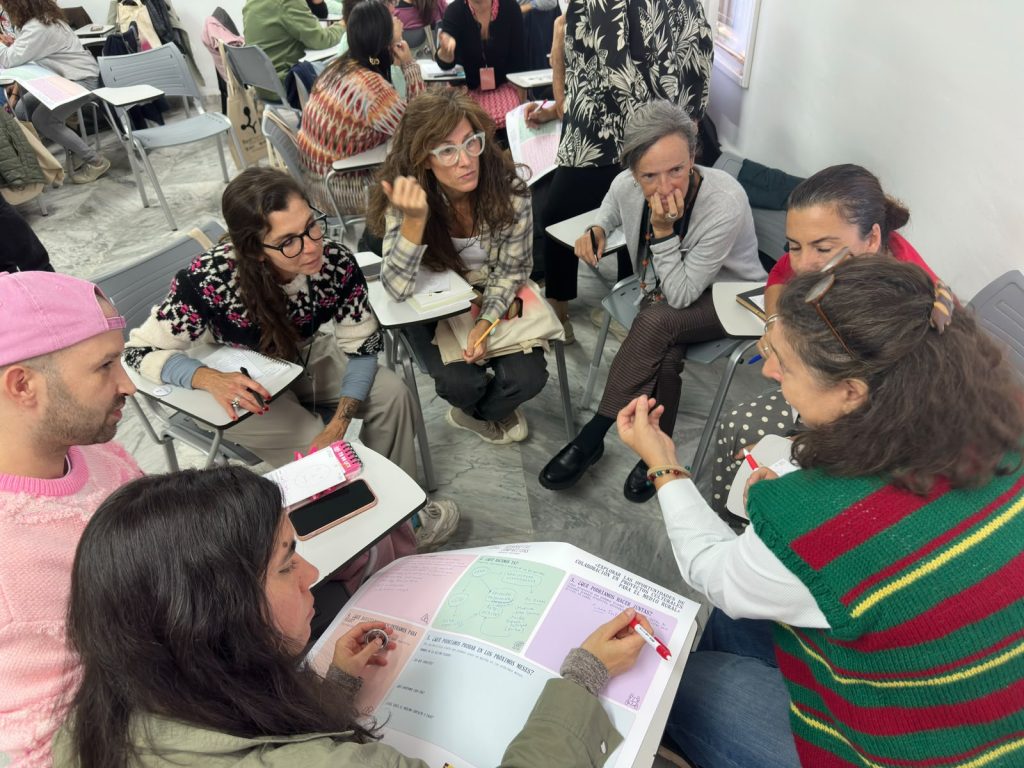
The forum has also facilitated meetings with artists, cultural managers, institutions, businesses, and representatives from the Ministry of Culture, with whom the work currently being carried out by Cáceres 2031 has been shared. These discussions have served to explain the bid, hear about other experiences and perspectives, gather suggestions, and identify common ground as well as potential avenues for collaboration.
Participation is part of the Transcultura methodology promoted by Cáceres 2031, based on listening to the territory and creating connections that allow the development of cultural projects from the communities themselves. A vision that gives special importance to the Extremaduran rural environment and its ability to actively participate in the construction of a European cultural proposal.
During the conference, issues such as access to culture in small municipalities, cross-border cooperation and the role of cultural policies in the face of the demographic challenge were addressed. Experiences have also been presented that demonstrate how artistic creation and citizen participation can contribute to the roots of the population and generate new opportunities in the territory.
European cooperation as an opportunity for rural areas
One of the forum’s main areas of work has been European cultural cooperation, with sessions dedicated to programs such as Interreg and Creative Europe. Through different experiences developed in Spain and other European countries, participants have been able to learn about collaboration models that connect border territories, promote the recovery of rural heritage and promote the exchange of knowledge between cultural organizations.
The meeting has also allowed us to delve deeper into the financing opportunities for cultural projects developed in rural areas, especially those that bring together agents from different autonomous communities or European countries.
Para Cáceres 2031, estas experiencias resultan especialmente relevantes por su vinculación con el trabajo que la candidatura está desarrollando en Extremadura, donde la dimensión rural ocupa un lugar destacado en su propuesta cultural. Iniciativas como Rural Labs y la actividad de la Oficina de Activación Cultural responden precisamente a la voluntad de acercar los procesos de creación y participación cultural a distintos puntos del territorio.
The conferences have also offered a space to reflect on the role of the European Capitals of Culture as projects capable of articulating territory, participation and long-term cooperation. Along with the scheduled sessions, the informal meetings have favored direct exchange with professionals from the cultural sector in Spain and Portugal, allowing us to continue publicizing the Cáceres 2031 proposal, contrasting its development with other experiences and strengthening relationships that can open future avenues of collaboration.
The presence at the 9th Culture and Ruralities Forum has made it possible to identify lines of work of interest for the future of the candidacy, especially in relation to the construction of lasting cooperation networks, the participation of communities, the development of capacities and the creation of projects that generate opportunities and links capable of being maintained beyond the funding calls.
The event also provided a space to reflect on the role of European Capitals of Culture as initiatives capable of fostering long-term territorial integration, participation, and cooperation. In addition to the scheduled sessions, informal gatherings facilitated direct interaction with cultural sector professionals from Spain and Portugal, offering an opportunity to further promote the Cáceres 2031 proposal, compare its development with other experiences, and explore potential avenues for collaboration.
Participation in the Forum reinforces lines of work that are especially relevant to the candidacy and focuses on stable cooperation between agents, community participation, capacity development and the creation of projects capable of generating opportunities and lasting links in the territory.