- At an event held in the European Parliament, an audiovisual piece was screened showcasing how Cáceres embodies the values that emanate from Europe
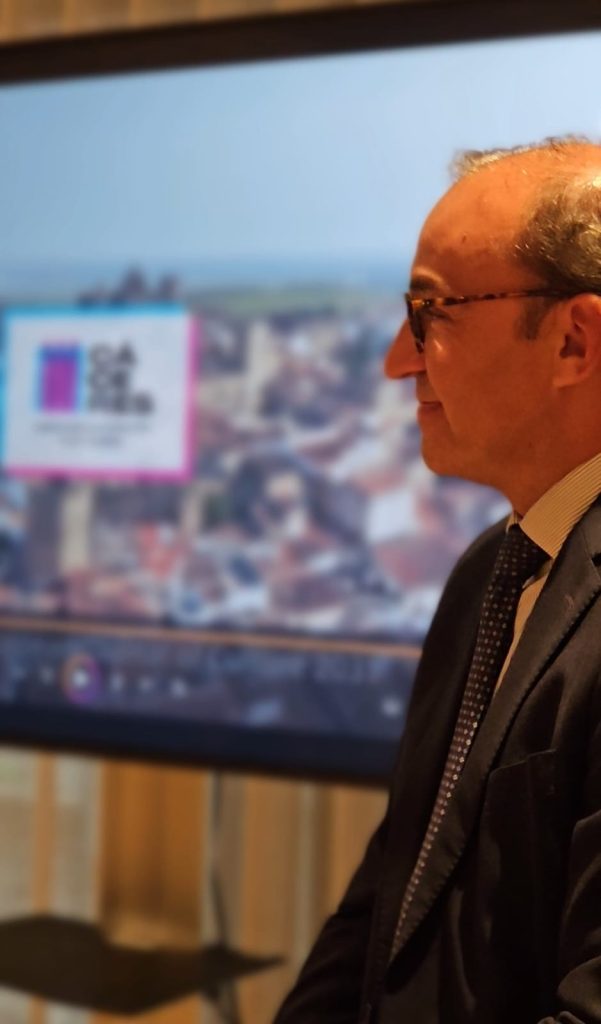
The Mayor of Cáceres and President of the Cáceres 2031 Consortium, Rafa Mateos, presented today in the European Parliament the foundations of Cáceres’ bid to become European Capital of Culture in 2031. This presentation served as a prelude to the official launch of the candidacy in December, when the project will be formally evaluated by a panel of experts.
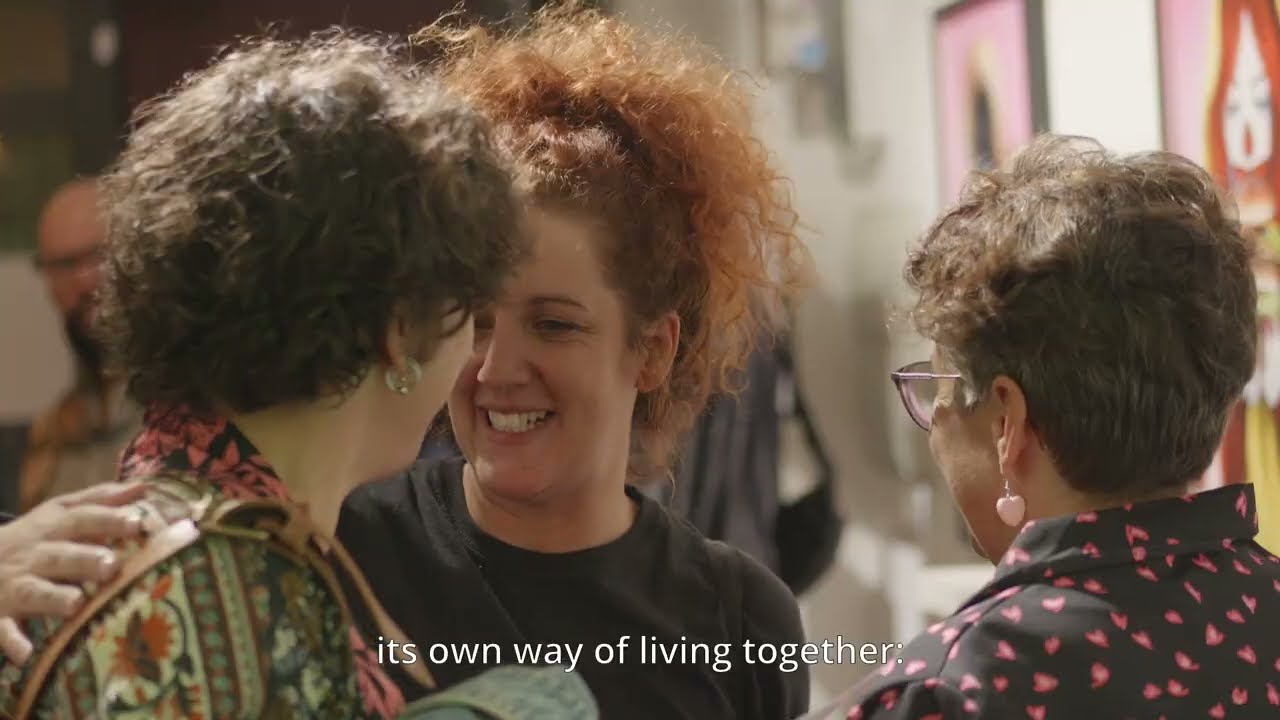
The event, held under the title “Cáceres and Europe: Shared Heritage and Common Future”, was attended by numerous Members of the European Parliament, Elena Nevado among them, cultural representatives from across Europe, and members of the community of Extremadura based in Brussels, who warmly applauded Cáceres’ commitment to contributing to the development of European values. The Mayor’s speech was accompanied by the screening of an audiovisual piece highlighting Cáceres as a symbol of European values, the distribution of promotional material, and a tasting of products from Extremadura.
“I can proudly say that we have many strong foundations to become European Capital of Culture in 2031. Above all, because what truly sets us apart is how the people of Cáceres engage with culture: filling the streets for concerts, dancing to traditional songs, enjoying major performances, and being themselves creators of culture,” Mateos affirmed.
TRANSCULTURE
Within this worldview lies the concept of Transculture, “an idea with which we want to win Europe over,” the mayor emphasized.
“Culture as a transformative force for people and their diverse realities; culture as a union of peoples and a space of coexistence; culture as a commitment to environmental sustainability; culture as a social and economic driver; culture as a dialogue between the city and our rich rural world; culture that transcends moments and becomes heritage for future generations; culture woven by and for everyone; culture built from and towards different perspectives; culture in schools and neighborhoods; culture as the invisible thread that makes us enjoy life,” Mateos explained.
“Culture as a bridge to our origins and to our close ties with Latin America; culture as a tool to repopulate empty lands and to extend a strong hand to our dear neighbor Portugal, with the naturalness that characterizes both of us — today represented through two great artists from Cáceres, singer Tamara Alegre and guitarist Perico de la Paula, who performed flamenco and fado pieces with mastery. In short, culture as a symbol of all the values Europe represents, which we in Cáceres embrace as our own,” he concluded.
In his address, Mateos highlighted how Cáceres, a World Heritage City, home to the third best-preserved historic quarter in Europe and the first in Spain, “has preserved its charm intact,” as one can experience during a walk through the old town at dusk — a setting that has hosted international productions such as Game of Thrones. At the same time, he stressed that “this calm is enlivened by a city that never stops, not a single weekend of the year. Because Cáceres is culture — culture with a capital C. It is at the root, at the essence, at the heart of how we see the world,” he added.
As examples, he praised the deeply rooted Irish Fleadh Festival, the scale of WOMAD, and the city’s many events celebrating blues, jazz, rock, urban culture, historical heritage, and medieval traditions, all of which draw massive public participation.
He also underlined the perfect symbiosis in Cáceres between history and avant-garde, from the important testimony of human origins at the Cueva de Maltravieso to the treasure of holding the most important private collection of contemporary art in Europe at the Helga de Alvear Museum, and soon the Madruelo Museum, which will showcase an extraordinary collection of musical instruments from around the world in a minimalist building, alongside the subtle brilliance of Atrio restaurant.
Mateos emphasized the overwhelming social support for the candidacy, as well as the backing of numerous institutions including the City Council of Cáceres, the Regional Government of Extremadura, the Provincial Councils of Cáceres and Badajoz, the Parliament of Extremadura, and the EU Green Alliance of European Universities led by Extremadura and bringing together nine universities from across Europe, among many others.
To conclude, he expressed his gratitude to the European Parliament for its generosity in allowing Cáceres to present its proposal, while inviting attendees to witness firsthand why Cáceres is a strong candidate to achieve the title of European Capital of Culture in 2031.