- “The Madruelo museum is called to mark another turning point in the history of Cáceres,” says the mayor, Rafa Mateos
- For Mateos, this infrastructure will also reinforce Cáceres’ candidacy for European Capital of Culture 2031
The mayor of Cáceres, Rafa Mateos, announced this Friday the imminent start of construction on the future El Madruelo Museum, a cultural infrastructure “destined to mark a turning point in the city” and which, in his opinion, will represent “a new turning point in the history of Cáceres.”
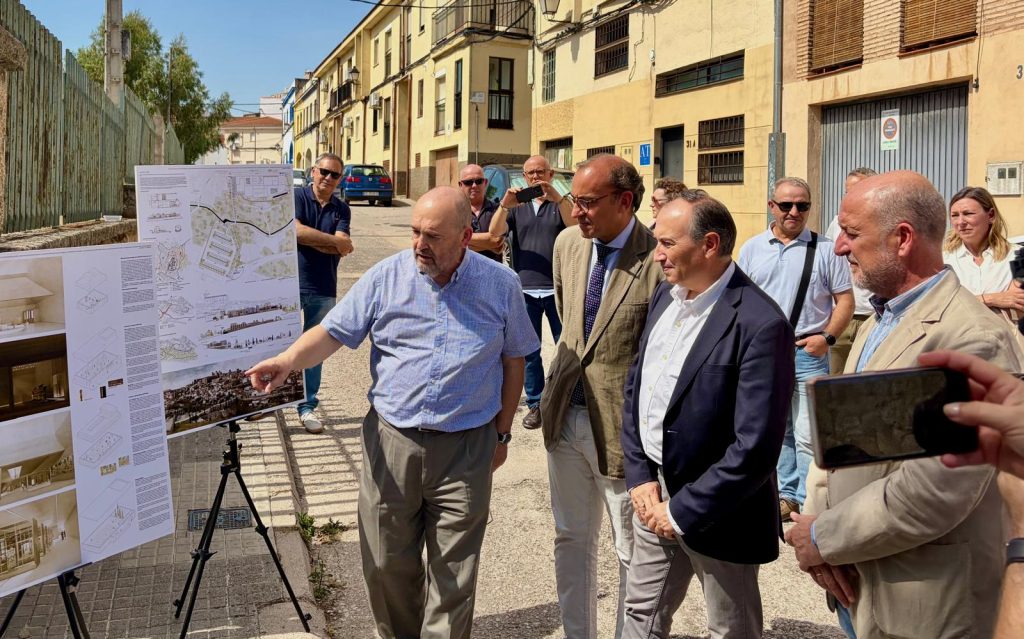
Mateos made these statements during a visit to the land where this new building will be built, accompanied by the Minister of Culture of the Government of Extremadura, Laureano León, and the architect Patxi Mangado, author of the project.
The mayor has stressed that this progress is “an example of speed, commitment and collaboration between administrations”, thanking the joint work carried out over the last two years between the Urban Development Office of the City Council and the Regional Government of Extremadura to make a project a reality “that has not been easy to carry out”.
“Today we do not present plans or papers; today we present the beginning of some works that will begin in the coming days,” he noted.
Much more than a museum
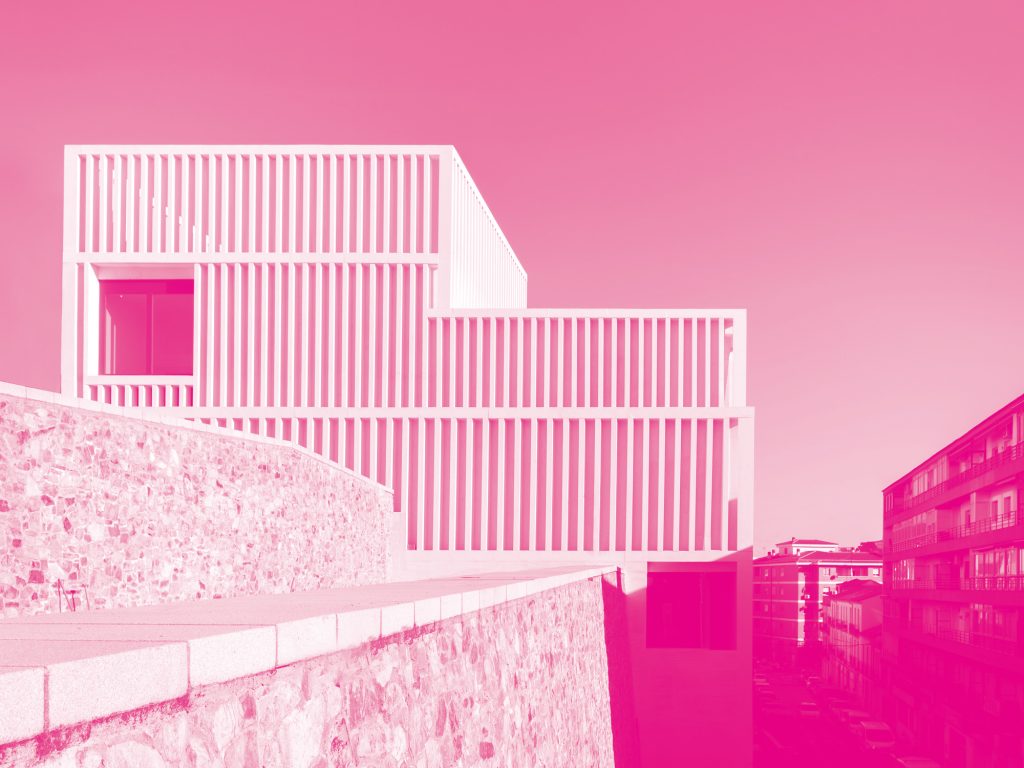
Mateos emphasized that El Madruelo will be “much more than a museum” for three fundamental reasons. The first is the architectural design by Patxi Mangado, winner of the National Architecture Prize, whose proposal “has exceptionally combined form and function, integrating the building into such a special location as the Ribera del Marco and making light a key element.”
The second reason is the content it will house: the La Fontana Foundation collection, made up of an outstanding display of musical instruments from around the world and more than 14,000 ceramic pieces; a unique complex that, according to the mayor, “will place Cáceres on the international level.”
In this sense, Mateos has compared the future arrival of this collection with other milestones that have transformed the city, such as the declaration of the Monumental City of Cáceres as a World Heritage Site or the opening of the Helga de Alvear Museum.
The third major dimension of the project is its capacity for urban transformation. El Madruelo will be located in the Ribera del Marco, a space that, in the words of the mayor, “allows the city to look back at its origin”, connecting the monumental city with areas such as San Blas and Ronda del Vadillo, and consolidating this enclave as a backbone and coexistence axis.
The project contemplates an investment of 12.9 million euros, taxes included, financed by the Government of Extremadura, and an execution period of 24 months. The works will be executed by the UTE formed by the Cáceres companies Construred Obras y Servicios and Placonsa.
For Mateos, this infrastructure will also strengthen Cáceres’ candidacy for European Capital of Culture 2031, as it is “a tangible, real and transformative project that demonstrates that culture is a strategic commitment to the city’s future.”